10 Habits Couples Therapists Say Always End a Marriage | Redbook interview

Uh-oh: Your (seemingly innocent) daily habits — like scrolling through Insta in bed — could be destroying your marriage. “Research shows that there are a lot of little things people do that can indicate serious problems in relationships,” says Carrie Cole, a couples therapist and certified Gottman master trainer at the Center for Relationship Wellness in Houston. The good news? Even if you’re having problems now, it doesn’t mean you’re headed for divorce. A recent survey found that couples are more likely to try to work things out — and break the bad habits they’ve developed — than they were even 10 years ago. We’re all for keeping you out of the lawyer’s office, so watch out for these bad habits that couples therapists say always end in a split.
Inability to meet eye-to-eye financially.
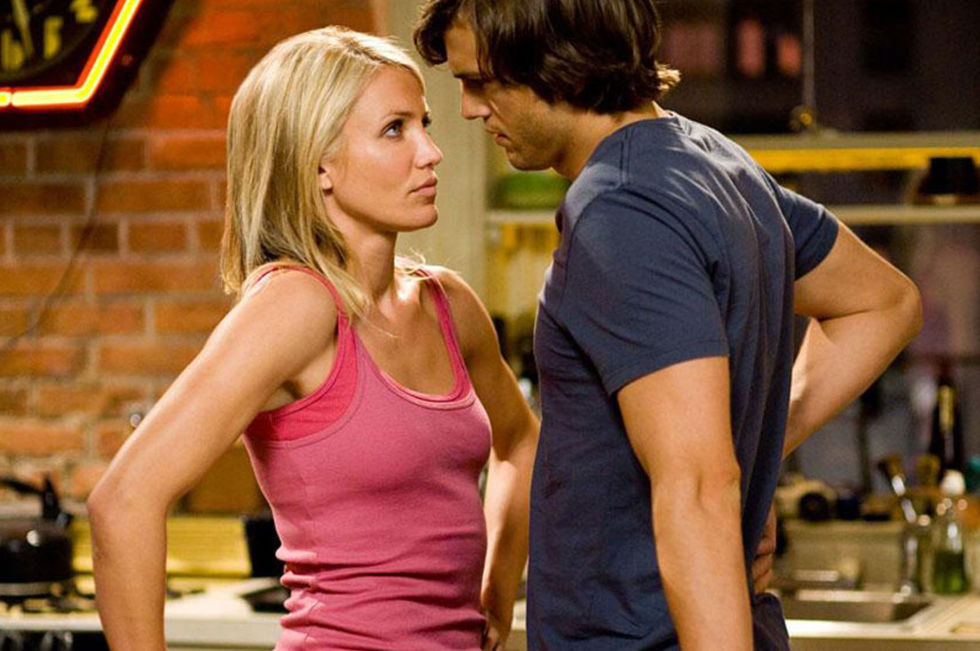
Ongoing resentments and a lack of appreciation.
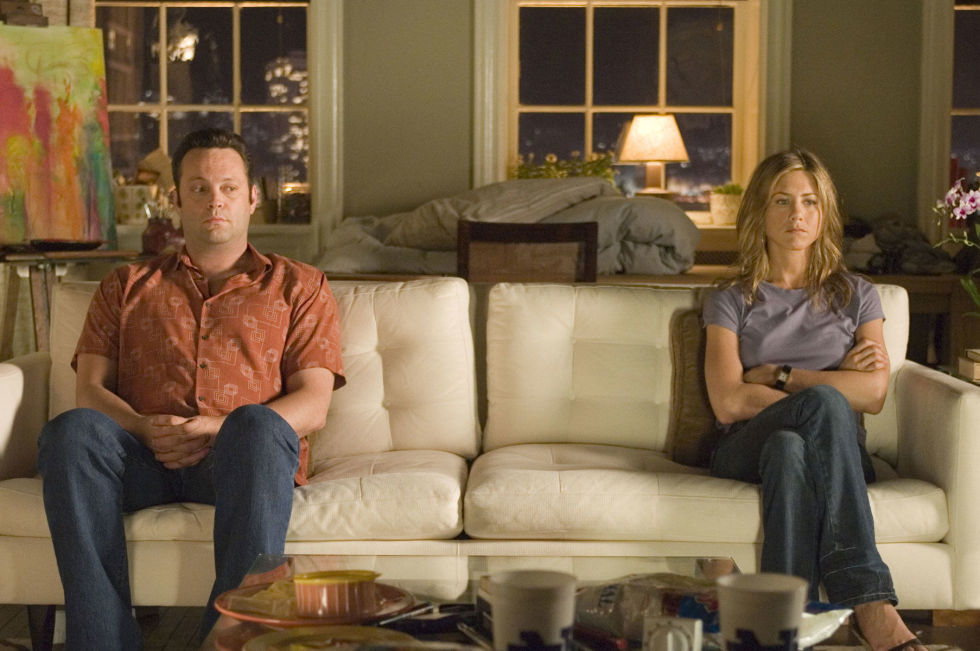
Talking trash behind each other’s backs.

Fixating on what your hubs doesn’t do well.

Whether you’re remembering how hilarious your ex was — unlike your comparatively quiet husband — or wishing your guy was a door-opening gentleman like your friend’s husband, negatively comparing your spouse to others is another subtle kiss of death. “Even if you’re only making notes in your mind, it can kill a relationship over time,” says Cole. Try to remember that the grass always seems greener because one person is never going to have everything on your wish list, and your friends are probably jealous of something your own guy does — like the fact that he’s got serious skills in the kitchen (#domesticgod). And if there’s a habit he’s developed that you’d like to, err, tweak (like his tendency to overspend), there’s nothing wrong with that — so long as you’re not ultimately trying to change who he is. Cole says to use a gentle approach, and at the end of the day, you might as well focus on the good. Your marriage — and sanity — will be better for it.
Never putting yourself in your partner’s shoes.

Starting fights with your (figurative) fists up.

When you’re having a chat with your husband and suddenly go from an emotional zero to sixty, that’s not a good sign. Doing so drives your partner away, explains Gehart, because it immediately shuts down the possibility of having a productive conversation. And unfortunately, women are the usual culprits. “Women are more likely to raise issues aggressively than men are,” she says, and a study found that it’s likely because men are usually able to quickly “calm down” and analyze a situation sans emotions, whereas women are more likely to go by how they feel. We know it’s way easier said than done, but if you tend to yell or use a harsh tone every time your husband grates your nerves, try to pull back — otherwise you could instigate his defense mechanisms, which halts his ability (or willingness) to talk openly and honestly. And if he’s not being real with you — and only hearing your anger or irritation — then what’s the point?
Not knowing when to press pause on a fight.

Always putting on a good face.
Not fighting at all.

When crickets replace conversation — and yes, bickering, because no two people will agree on everything all the time — experts say your relationship could be dying a slow death. Because when you don’t even bother to bring up something that bugs you, it means you’ve stopped putting energy into the relationship and could be emotionally checking out, says Gehart. Now, that doesn’t mean you should be picking fights in order to show you care, but if there’s a sense of quiet resentment or ambivalence, it’s better to bring up the issue than let it simmer. Because eventually, Gehart says it always boils over…and so will your marriage.
Waiting too long to deal with your issues.

It’s super common to put off having tough conversations, according to the Center for Conflict Dynamics at Eckerd College. After all, it’s not like you’re headed to a fun party. But not facing your problems soon enough can put you in a situation of too little, too late. “By the time many couples make their first therapy appointment — an unpublished study reported that the average couple waits six years from the onset of problems to seek help — the toxic dynamics have been in place for so long that it’s harder to undo the damage,” says Cole. That doesn’t mean that all hope is lost, though. Just remember that the longer you wait, the more time and work it will take to get things back on track, and you both need to be willing to put in that effort in order for your marriage to succeed.

Articles On:
Love & Life
Attracting Partnership
Modern Dating
No Rules = New Rules
Older Women / Younger Men
Friends, Family & Children
Articles Featured on: